

Relaxer-Touch Up Gallery
$$MultiPurposeText$$
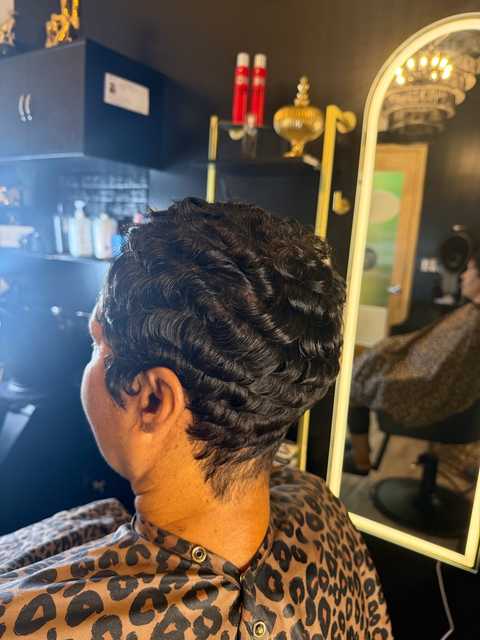
See examples of our Relaxer-Touch Up work and results.




What Our Clients Say
$$MultiPurposeText$$
Read testimonials from our satisfied customers

Tiffany’s hands are truly anointed! I’ve been trusting her with my hair for over a year, a...more

I cut my hair off in December and have been obsessed ever since! The service is so amazing...more

Meeting Tiffany and some of her clients was such a wonderful experience! I visited her sal...more

Scalp treatment gave my scalp some relief. Tiffany has the nails for a great shampoo! Very...more

As a first time customer at Tiffany Pretty & Co, I am truly blown away of the quality expe...more

Tiffany is an absolute gem! She completely transformed my look with a stunning pixie cut, ...more

Frequently Asked Questions
Get answers to common questions about Relaxer-Touch Up.
Appointments typically last 60–90 minutes depending on hair length, density, and required processing time. The session includes application, neutralizing, conditioning, and a professional mold-and-style finish so you leave with refreshed roots and a polished hairstyle.
When performed correctly by our stylists, touch ups minimize overlap and reduce breakage risk. We assess your hair condition, apply protective treatments, and avoid overlapping previously relaxed lengths to preserve integrity while smoothing new growth.
Most clients return every 8–12 weeks depending on natural growth rate and hair strength. We recommend personalized scheduling after a consultation since texture, styling habits, and hair health influence ideal touch up timing to prevent over-processing.
Coloring and chemical services require careful sequencing. Typically we recommend coloring two weeks before or after a relaxer to reduce stress on the hair. Schedule a consultation so we can plan safe timing and compatible products for your desired results.
Use sulfate-free shampoos, deep-condition weekly, avoid heat for several days, and apply recommended leave-in treatments to maintain moisture and reduce breakage. Our stylists will provide a custom at-home routine and product recommendations tailored to your hair type.
If your hair has previous chemical treatments, significant damage, or color history, we often perform a strand test to determine processing strength and timing. This ensures safe results and helps us tailor product choice to protect hair integrity during the touch up.
Read more about Relaxer-Touch Up
$$MultiPurposeText$$
Explore our latest insights and guides on Relaxer-Touch Up.

Relaxers & Texture Services in South Bowie: Types, Timing & Care
Published On: July 30, 2026